


Survivors of systematic and widespread conflict-related sexual violence in Sri Lanka say they urgently need justice, accountability and sustained psychological and social support. The International Truth and Justice Project (ITJP) today launched the findings of a two-year consultation with Tamil victims in exile exploring what survivor-centered reparations for sexual violence should look like.
“For me, reparations primarily mean internal reparations – helping survivors heal internally and therapeutically. Secondly, reparations also means holding the Sri Lankan regime accountable for these atrocities,” said a survivor. The ITJP consulted fifty men and women who survived rape and other forms of sexual violence perpetrated by members of the Sri Lankan security forces during and after the armed conflict that ended in 2009.
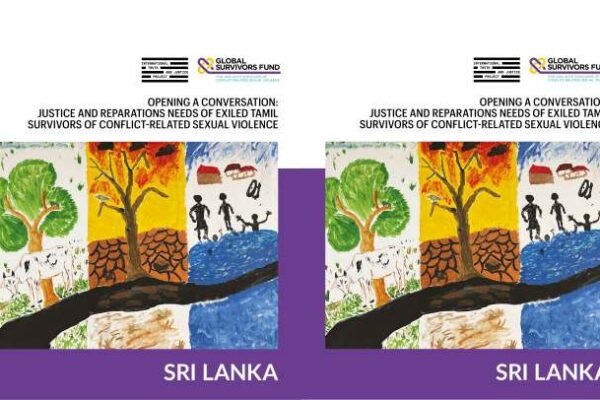
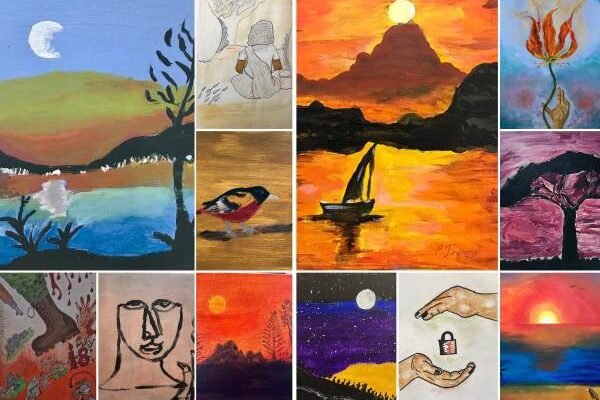
The study was conducted in London as it was neither safe nor permissible to conduct such consultations in the former conflict zones of northern and eastern Sri Lanka. The 68-page report, Opening a Conversation: The Justice and Reparations Needs of Exiled Tamil Survivors of Conflict-related Sexual Violence, is illustrated with participants’ artwork and interspersed with quotes from their testimonies.
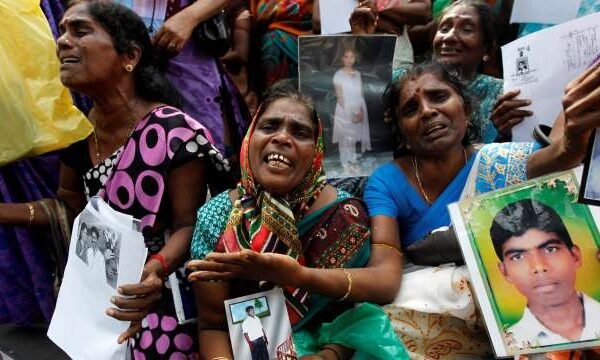
Survivors – many of whom lived for more than a decade in Sri Lanka after the war – identified their urgent needs. These included more access to comprehensive psychosocial and health support, protection and safe housing, opportunities to rebuild a sense of belonging and community, legal remedies and the identification and prosecution of perpetrators.
“A life filled with happiness, a safe environment, a healthy state of mind and access to quality education,” was the desire. The report vividly conveys the devastating and long-term consequences of sexual violence-both for individuals and the wider Tamil community.
“The impact is like shellshock,” said one person; “we are seen as the embodiment of humiliation,” said another. Survivors described lives marked by fear, stigma and isolation, whether in Sri Lanka or in exile. Haunted by nightmares, flashbacks, fearful of uniformed men and security personnel alienated from their families and communities they struggle to rebuild their lives.
“Most of the victims are left with no option than to attempt to end their lives by jumping into the wells and hanging themselves,” commented a survivor. One father poignantly said he didn’t know what to tell his young son when he asked about the scars on this body. Survivors spoke of the double victimization they experienced first by the state, then by their own community;
“It creates a problem for our own family – we are criticized and marginalized by our own family, and society does the same”. “Sometimes, when we are subjected to sexual assault by the Sri Lankan services, other people in the Tamil community try to abuse us and do the same”.
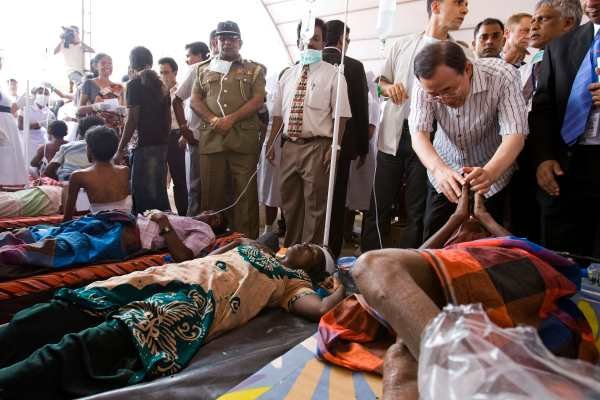
The group, which included both men and women, met weekly in a psychosocial project in London – funding for which has now been cut. They described difficulties accessing medical and psychological care both in Britain and in Sri Lanka. This marked the first time a mixed gender group of Tamil sexual violence survivors has spoken collectively and openly about their experiences. “After attending I was able to understand . the impact of sexual violence is actually the same on men and women. It’s an important fact,” said another survivor.
Participants initially hesitated to discuss such a taboo subject but the safe space enabled healing and solidarity: “After the violation we couldn’t stand in front of and look ourselves in the mirror and now we can. This is a great achievement,” said one woman. These survivors endured an extraordinary range of horrific violations not only sexual violence.
“Typically, they and/or their loved ones have been forcibly recruited to fight, repeatedly displaced, bombed, shelled, starved, denied medical aid, arbitrarily detained, tortured, and have witnessed enforced disappearances or summary executions,” said the ITJP’s executive director, Yasmin Sooka.
While the reparations study focuses specifically on sexual violence, survivors situated these crimes within a broader pattern of ethnically targeted persecution. “This is systematic and deliberate on our community, mostly taking place as part of the torture in order to destroy the morale, unique and cultural identities of Tamils and to humiliate the individuals”. Survivors also explained that the sexual violence they suffered had a wider psychological impact on their whole community:
“videos of how the Sri Lankan Army abused women – even the corpses of women; this has a big impact on our community,” they said. Seeing the perpetrators punished was an overriding desire, because “that will give us some satisfaction”.
Abduction, torture and sexual violence by the security forces against Tamils in the former conflict areas has continued since the end of the war in 2009. Despite repeated findings by United Nations mechanisms confirming ongoing violations by Sri Lankan security forces, the Government of Sri Lanka continues to deny and dismiss these crimes.
This entrenched denial, contrary to Sri Lanka’s obligations under international law, has had a corrosive and retraumatizing effect on survivors. Many participants expressed anger and frustration at both the Government’s entrenched impunity and the international community’s failure to act decisively.
A discussion on ‘agency’ triggered deep-seated emotions, culminating in fervent appeals for tangible solutions to an almost intractable sense of betrayal and injustice: “I have lost all the members of my family to the war and the international community did nothing to hold the Sri Lankan government accountable. And you want to talk to me about agency. If the international community did nothing, what can I do?” The lack of justice for the crimes suffered returned as a theme again and again:
“The legal system does not have a solution to our problems. And even when we try to make someone accountable, they find another ten ways to escape the legal system, and perpetrators are not punished,” said one man. The consultation shows that justice and accountability are inseparable from survivors’ mental health, dignity and recovery.
It highlights the urgent need for credible international accountability mechanisms, comprehensive survivor-centered reparations, and sustained psychosocial support for victims of sexual violence.
The ITJP calls on the United Nations, member states, and donors to maintain a sustained focus on the ongoing violations in Sri Lanka, to end impunity and denial, and to amplify the voices of survivors whose courage continues to break silence in the face of ongoing repression.
This report was produced by the ITJP with the financial support of the Global Survivors Fund (GSF)